Silence in the Dolomite Peaks: A High-Altitude Retreat
By Elena Rostova • 8 min read
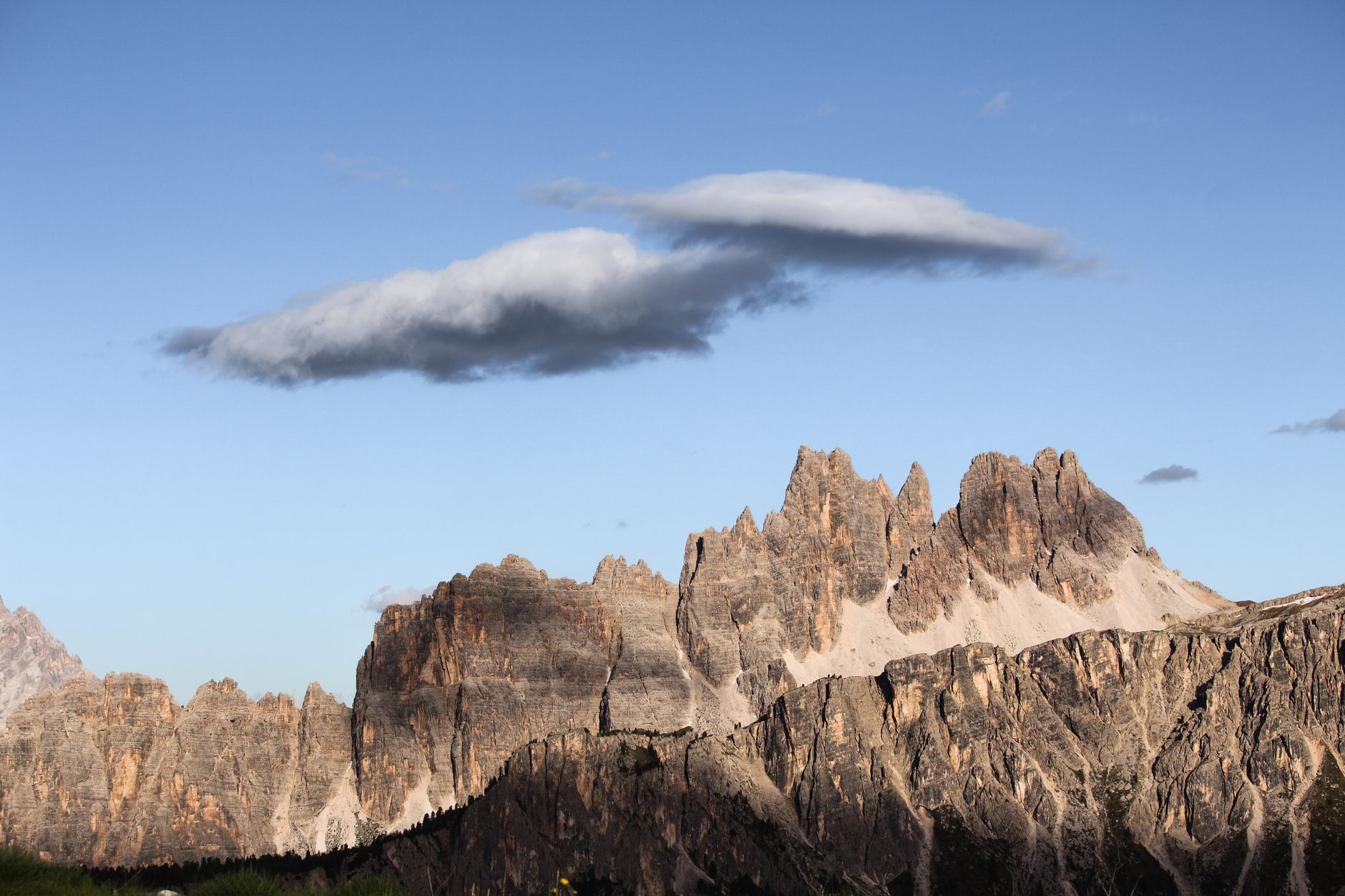
1. The Sanctuary of High Altitudes
High above the valley floor of South Tyrol, where pale limestone crags slice through autumn mists, stillness takes on a physical weight. The rhythm of life in these elevated hamlets has changed remarkably little over centuries, bounded by the annual shifts of pastoral grazing and timber harvesting.
Arriving at the timber refuge of Val di Funes just before dusk reveals how alpine topography enforces a restorative isolation. Free from light pollution and vehicular hum, visitors experience an acoustic clarity that modern urban settings have long erased.
2. Vernacular Wood Architecture
Contemporary architects across the Dolomite region are revisiting historical larch wood and local stone techniques. Rather than placing intrusive modern structures into fragile ecosystems, modern eco-refuges employ passive solar design and local timber crafting.
These structures age naturally alongside the cliff faces, acquiring a silvery patina over winters. Interior spaces emphasize uncluttered wood surfaces, panoramic glass frames targeting dramatic peaks, and minimal artificial lighting.
3. Slow Gastronomy in Alpine Cabins
Culinary practices at 2,000 meters altitude rely on extreme seasonality. Local rifugi serve wild herbs, fermented mountain pine syrups, aged goat cheeses, and heritage grain polenta prepared over open wood fires.
This micro-regional cuisine reflects a deep commitment to environmental preservation: ingredients are sourced strictly within walking radius or neighboring valley farms.